Sustainable Practices in Oilfield Trucking Services
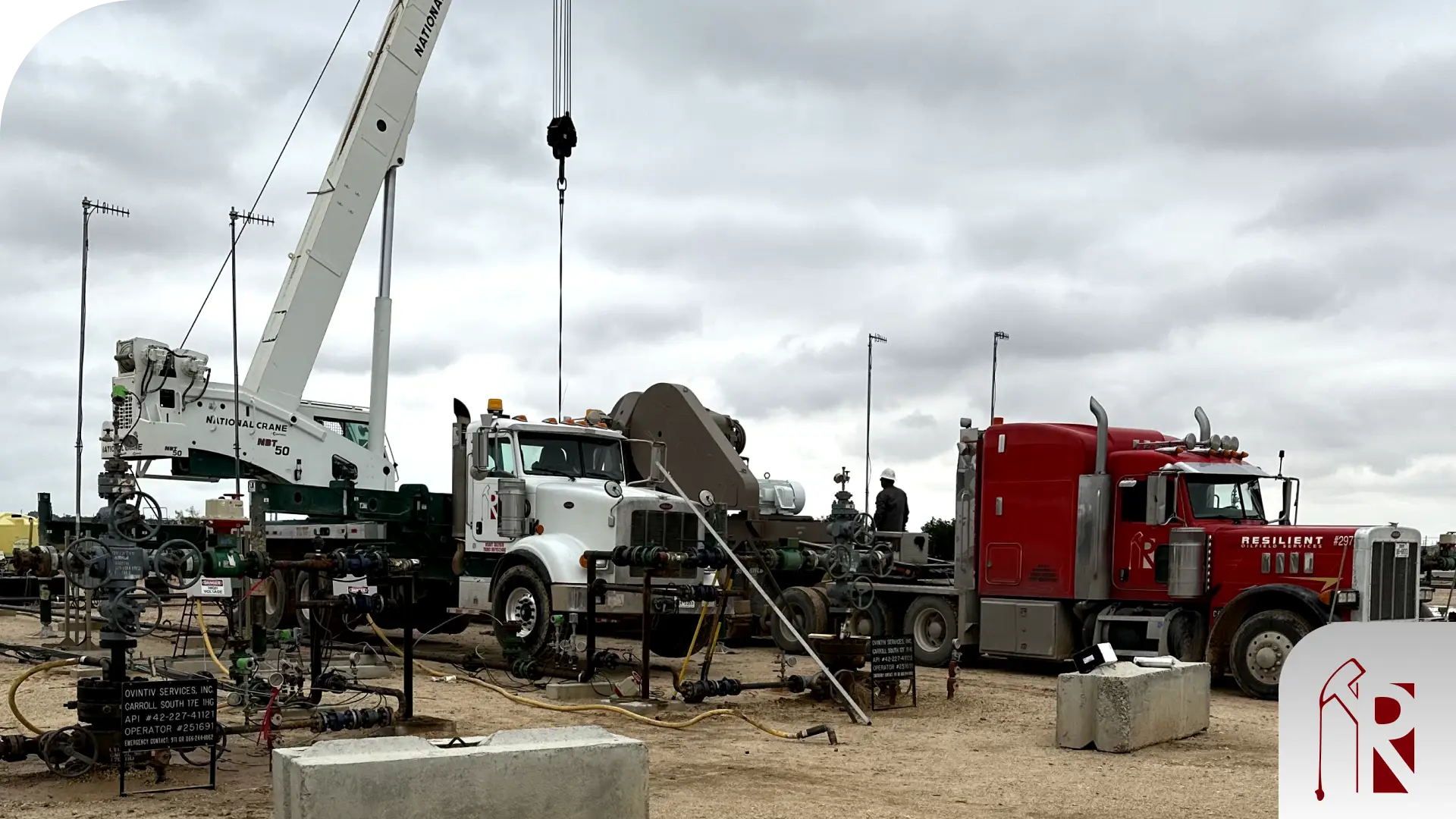
Understanding Sustainable Oilfield Trucking Services
Oilfield trucking services https://www.lonestartruckingandoilfieldservices.com/ play a critical role in supporting exploration, drilling, and production activities by transporting equipment, fuel, water, and other essential materials. As environmental concerns continue to grow, companies are adopting sustainable practices to reduce emissions, improve operational efficiency, and meet regulatory requirements. Sustainable oilfield trucking is no longer just an environmental initiative—it is a strategic approach that benefits businesses, communities, and the energy industry as a whole.
Modern trucking companies are integrating advanced technologies, fuel-efficient vehicles, and optimized logistics planning to minimize their environmental impact while maintaining reliable transportation services. These improvements help reduce operational costs and contribute to long-term sustainability goals.
Key Features
Sustainable oilfield trucking services offer several important features that support both environmental responsibility and operational performance. One of the primary features is the use of fuel-efficient trucks equipped with advanced engine technology that reduces fuel consumption and greenhouse gas emissions.
Another valuable feature is route optimization software. By identifying the shortest and most efficient transportation routes, companies can reduce unnecessary mileage, lower fuel usage, and improve delivery schedules. GPS tracking and fleet management systems also provide real-time visibility into vehicle locations, allowing managers to monitor performance and quickly respond to unexpected situations.
Many service providers also implement preventive maintenance programs to keep vehicles operating at peak efficiency. Well-maintained trucks consume less fuel, produce fewer emissions, and experience fewer breakdowns, resulting in improved reliability and lower maintenance costs.
Easy Access to Fleet Information
Digital technology has made it easier than ever for companies to access transportation data. Cloud-based fleet management platforms allow managers, dispatchers, and field supervisors to monitor deliveries, vehicle status, fuel consumption, and driver performance from virtually any location.
Mobile applications provide drivers with updated routes, delivery schedules, and digital documentation, reducing paperwork and improving communication between drivers and dispatch teams. Real-time reporting enables faster decision-making and helps companies maintain operational efficiency across multiple oilfield locations.
Easy access to logistics information also supports better planning, helping organizations allocate resources more effectively while reducing delays and unnecessary transportation expenses.
Strong Security Standards
Safety and security are essential components of sustainable oilfield trucking operations. Modern fleets utilize GPS tracking, electronic logging devices (ELDs), and driver monitoring systems to improve transportation safety and ensure compliance with industry regulations.
Secure digital platforms protect operational data through encryption, multi-factor authentication, and role-based access controls. These measures prevent unauthorized access to sensitive fleet information and business records.
Regular vehicle inspections, driver safety training, and emergency response procedures further strengthen operational security. By maintaining high safety standards, companies reduce accident risks while protecting employees, equipment, and the environment.
Reliable Support Services
Sustainable trucking services are supported by experienced logistics teams and dedicated customer support. Many providers offer 24/7 operational assistance to help clients manage transportation schedules, respond to emergencies, and resolve unexpected logistical challenges.
Technical support teams assist with fleet management software, system integration, and performance monitoring. In addition, ongoing driver training programs promote eco-friendly driving techniques, safety awareness, and regulatory compliance.
Continuous support ensures that oilfield operations remain efficient while meeting both environmental and operational objectives.
Conclusion
Sustainable practices in oilfield trucking services are transforming the way energy companies manage transportation operations. Through fuel-efficient vehicles, advanced fleet management technologies, secure digital systems, and reliable support services, businesses can reduce environmental impact while improving operational performance. As sustainability becomes an increasingly important priority in the energy sector, investing in modern trucking solutions will help organizations achieve greater efficiency, regulatory compliance, and long-term business success.